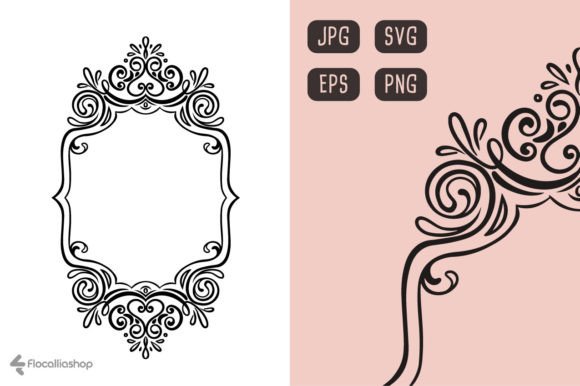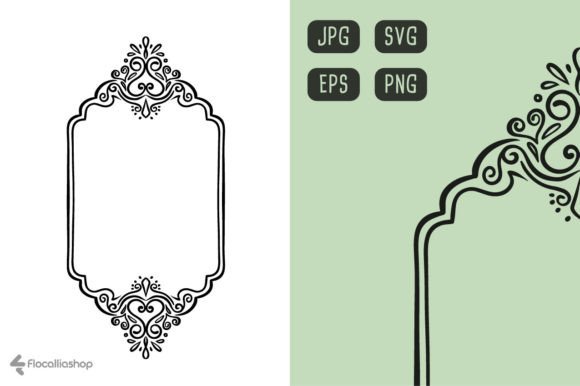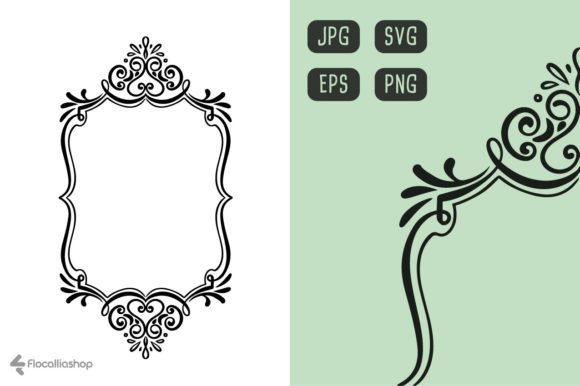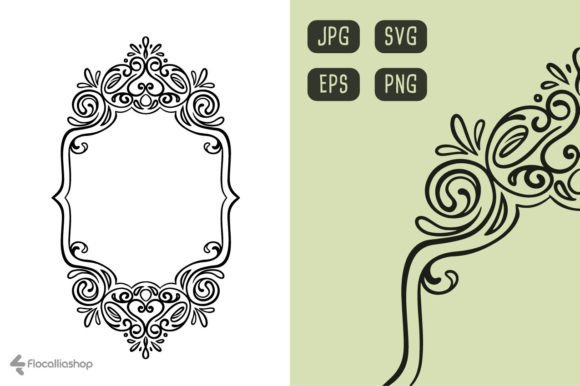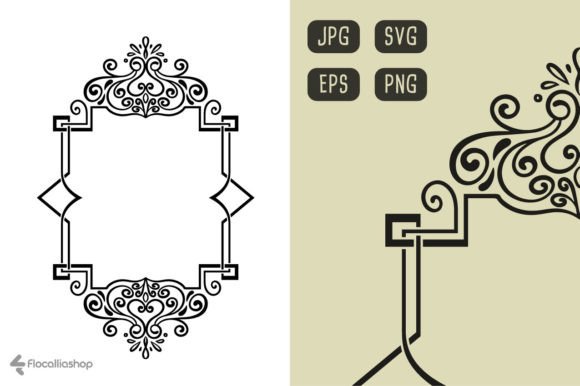
Decorative Art Vintage Wedding Art for Timeless Design
The search for authentic, nostalgic aesthetics often leads designers to discover the profound beauty of Decorative Art Vintage Wedding Art. This specialized category of creative assets offers a unique blend of romanticism and historical craftsmanship, providing an immediate visual shorthand for elegance and tradition. In a digital landscape often saturated with minimalist and hyper-modern styles, incorporating these vintage elements can create a powerful and memorable point of difference in any design project.
Understanding the Aesthetic
Decorative Art Vintage Wedding Art is more than just old-fashioned imagery; it is a specific visual language rooted in the design trends of the late 19th and early 20th centuries. It often features intricate hand-drawn illustration, ornate typography, and a rich, often muted color palette. For graphic designers, these assets are invaluable for evoking a sense of history, sentimentality, and handcrafted quality. The style communicates a story, suggesting permanence and attention to detail that can significantly elevate a brand's perceived value and trustworthiness.
Practical Applications in Modern Design
The versatility of this vintage style allows it to be integrated across a wide spectrum of creative projects, moving far beyond its original context. Its application can transform standard marketing materials into compelling narratives.
- Branding and Logo Design: Ideal for businesses in the hospitality, artisanal goods, or bespoke service industries. A vintage-inspired logo can establish a classic brand identity that feels established and reliable.
- Marketing and Social Media: These elements excel in creating social media graphics that stand out in a feed. The intricate details and unique textures stop the scroll, making them perfect for promotional campaigns, announcements, and editorial content.
- Packaging and Editorial Design: In packaging design, vintage art conveys a premium, boutique quality. Similarly, in editorial layouts for magazines or lookbooks, it adds a layer of sophisticated visual hierarchy and narrative depth.
- Digital Products and UI: While seemingly counterintuitive, subtle vintage motifs can add warmth and character to web design and UI design, particularly for lifestyle blogs, wedding planners, or e-commerce sites selling curated products.
Integrating Vintage Elements Effectively
The key to successfully using Decorative Art Vintage Wedding Art lies in thoughtful integration rather than overwhelming a design. A professional approach involves balancing these ornate assets with modern design principles to ensure clarity and usability.
Start by considering visual hierarchy. Use a detailed vintage illustration as a focal point, but pair it with clean, modern typography to ensure readability. The contrast between an ornate image and a simple sans-serif font can create a dynamic and contemporary feel. Furthermore, pay close attention to the color palette. Vintage art often comes with its own set of colors; adapt your project's palette to complement these tones for a cohesive and polished result.
When evaluating assets, always consider scalability and file quality. A high-resolution JPG file, for example, is essential for print design, ensuring that intricate details remain crisp in large formats like posters or packaging. For digital use, ensure the assets are optimized for fast loading without sacrificing visual impact. Consistency is also crucial; use elements from the same collection or style family to maintain a unified brand system across all touchpoints, from a website's UI to its printed business cards.
Ultimately, the strategic use of quality creative assets like vintage decorative art is a hallmark of sophisticated design. It demonstrates an understanding of visual communication's power to evoke emotion and build connection. By thoughtfully selecting and applying these elements, designers and creators can craft experiences that are not only visually stunning but also rich in meaning, enhancing both the aesthetic appeal and the communicative power of their work.