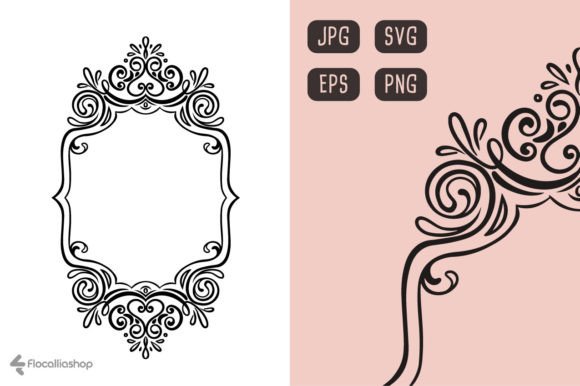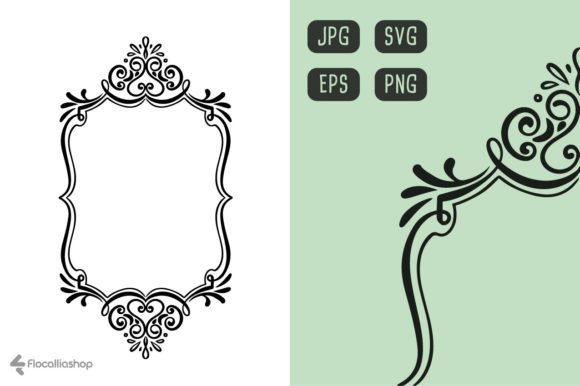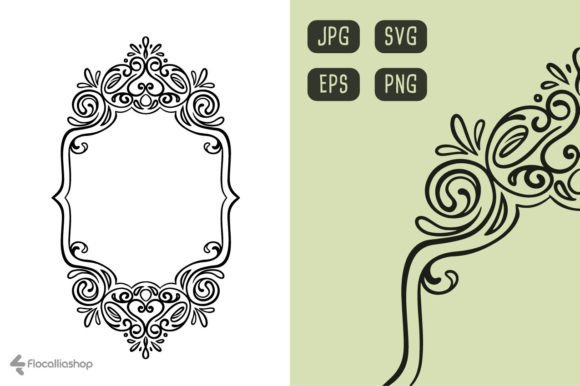
Mandala Wedding Ornament: Elevating Your Design Projects
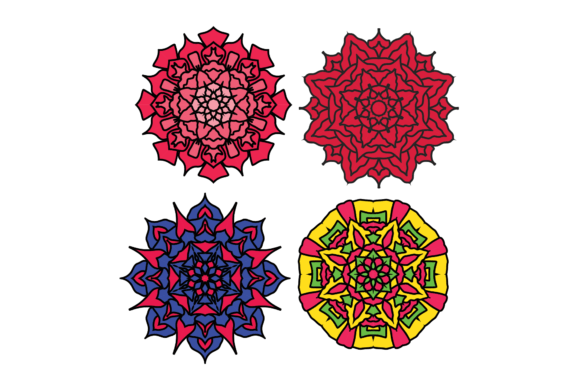
Intricate, symmetrical, and deeply symbolic, a well-crafted Mandala Wedding Ornament can instantly transform a design from ordinary to extraordinary. This versatile graphic element, available as a newly illustrated asset, serves as a powerful tool for adding elegance and visual depth to a wide array of creative projects. For designers and creators seeking to infuse work with a sense of harmony and sophistication, understanding how to leverage such an ornament is key to achieving a polished, professional result.
The Role of Ornamental Design in Modern Aesthetics
Ornaments like the mandala are far more than decorative flourishes. In visual design, they function as focal points that guide the viewer's eye, establish visual hierarchy, and convey specific emotions. A mandala, with its concentric patterns, inherently suggests balance, unity, and completeness. This makes it exceptionally effective in contexts requiring a message of togetherness or celebration, such as wedding stationery, anniversary branding, or premium event promotions. Its geometric precision complements both modern minimalist layouts and more traditional, detailed compositions, offering remarkable adaptability across design trends.
Practical Applications for Designers and Brands
The utility of a high-quality Mandala Wedding Ornament extends across numerous design disciplines. Its clean lines and scalable vector formats make it a valuable creative asset for various professional applications.
- Branding and Logo Design: Incorporate mandala elements to create distinctive logos or brand marks for businesses in the wedding, luxury, or wellness industries. The symbol can help communicate brand values of craftsmanship and attention to detail.
- Marketing and Social Media Graphics: Use the ornament as a decorative border, background pattern, or central graphic in digital ads, Instagram posts, or Pinterest pins to increase visual appeal and engagement.
- Editorial and Web Design: Enhance magazine layouts, blog headers, or website hero sections. A mandala can serve as a stunning watermark, a section divider, or a decorative frame for key typography, improving the overall user experience (UX) with thoughtful visual rhythm.
- Packaging and Merchandise: Elevate product packaging, gift tags, or merchandise like tote bags and notebooks. The ornament adds a premium, artisanal quality that can strengthen brand identity and perceived value.
Integrating Ornaments into Your Design Workflow
When selecting and using such design elements, several factors ensure seamless integration and maximum impact. First, consider consistency. The ornament's style should align with your project's overall aesthetic, whether it's a romantic color palette or a clean, modern UI. Next, evaluate scalability. This asset is provided in multiple formats, including AI, EPS, SVG, JPG, and PNG, with a canvas size of 1920px by 1280px. The vector formats (AI, EPS, SVG) are ideal for resizing without loss of quality, essential for print design and large-format applications.
Furthermore, think about visual hierarchy. A mandala can easily dominate a composition. Use it strategically as an accent rather than an overwhelming background. Pair it with complementary typography—perhaps a clean sans-serif for body text and an elegant script for headlines—to maintain readability. The design's editability allows you to adjust colors to match a specific brand identity or to simplify the ornament for use in smaller UI elements like icons or dividers.
Ultimately, the thoughtful selection of creative assets is a hallmark of professional graphic design. A resource like this Mandala Wedding Ornament provides not just a decorative element, but a tool for storytelling and refined communication. By focusing on how such assets serve the project's goals—enhancing branding, clarifying information, or delighting an audience—you ensure that every design choice contributes to a cohesive, engaging, and visually compelling final product.