Vintage Wedding Art Bridal Theme: A Designer's Guide
In the world of event branding and bespoke stationery, the Vintage Wedding Art Bridal Theme offers a timeless aesthetic that blends nostalgia with sophisticated elegance. For graphic designers and creative professionals, this style provides a rich visual language that communicates romance, heritage, and meticulous attention to detail. Understanding how to leverage these elements can transform a simple design into a compelling narrative, making it a powerful tool for branding, marketing, and visual storytelling.
The Essence of Vintage Wedding Art
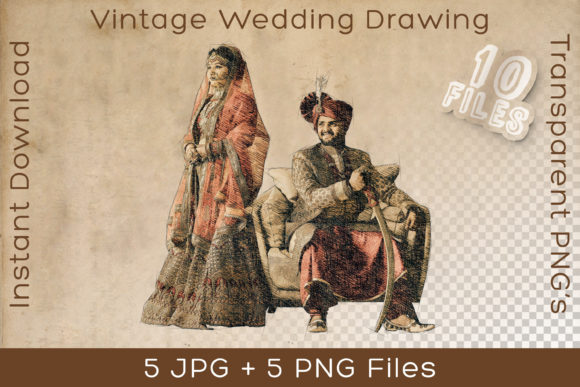
At its core, a vintage bridal theme is defined by its use of classic typography, intricate illustrations, and a muted, often sepia-toned color palette. These design assets are not merely decorative; they serve as foundational elements for creating a cohesive brand identity. Whether used in logo design, social media graphics, or editorial layouts, the vintage aesthetic evokes a sense of authenticity and craftsmanship that modern, minimalist designs sometimes lack.
Key Visual Components
- Typography: Serif fonts and hand-lettered scripts are staples, providing readability while enhancing the theme's historical feel.
- Color Palette: Soft pastels, deep burgundies, creams, and golds create a warm, inviting atmosphere.
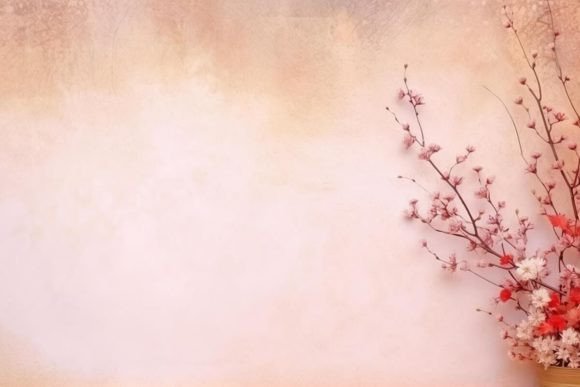
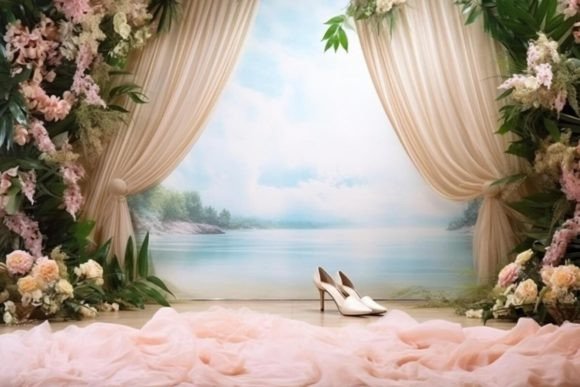
- Imagery: Floral motifs, lace textures, and botanical illustrations are frequently used to add depth and visual interest.
- Composition: Balanced layouts with ornate borders and subtle distressing effects contribute to an authentic vintage look.
Practical Applications for Designers
The versatility of a vintage wedding art theme extends far beyond wedding invitations. Its principles can be applied across various creative projects to enhance visual communication and user engagement.
In branding and logo design, these elements help businesses in the hospitality, boutique retail, or artisanal food industries establish a classic, trustworthy image. For marketing materials, such as brochures and flyers, the theme can add a layer of sophistication that captures attention in a crowded marketplace.
Digital applications are equally impactful. Social media graphics using this theme can stand out in feeds dominated by sleek, modern visuals, offering a refreshing change that encourages shares and saves. For web design and UI, incorporating vintage textures and typography can create a unique user experience, particularly for portfolios, blogs, or e-commerce sites specializing in handcrafted or luxury goods.
Tips for Effective Implementation
Successfully integrating a vintage wedding art theme requires a thoughtful approach to ensure consistency and scalability across all platforms.
- Maintain Visual Hierarchy: Use ornate elements sparingly to guide the viewer's eye without causing clutter. Pair decorative headers with clean, legible body text.
- Ensure Readability: While script fonts are beautiful, they can be difficult to read in small sizes. Always test typography across different devices and print formats.
- Balance Old and New: Combine vintage motifs with modern layout principles to avoid a dated appearance. A contemporary grid system can organize classic elements effectively.
- Source Quality Assets: Use high-resolution files to maintain professionalism. A single, well-designed JPG or vector file can serve as a cornerstone for an entire campaign.
Elevating Your Creative Projects
Ultimately, the value of a curated design asset like a vintage wedding art theme lies in its ability to streamline the creative workflow. By providing a ready-made aesthetic framework, it allows designers to focus on innovation and client-specific customization rather than building every element from scratch. This not only improves efficiency but also ensures a polished, professional result that resonates with the target audience.
Choosing the right creative resources is a critical step in any design process. Quality assets enhance branding, strengthen communication, and elevate the overall user experience. When you select a theme that aligns with your project's goals, you invest in a visual language that speaks directly to your audience, turning ordinary designs into memorable experiences.